Running German Wirehaired Pointer Dog: Design Review
When I first opened the Running German Wirehaired Pointer Dog file, I was looking for a design that would work across multiple project types without losing its character. I run a small shop that produces custom apparel and handmade gifts, and I test every design before it touches a finished product. This one caught my attention because it offers a clean, action-oriented silhouette that feels natural for both dog lovers and crafters who want something that stitches out cleanly. The mood is energetic but not cartoonish, which makes it flexible for everything from a personalized tote bag to a detailed embroidered patch.
First Impressions and Visual Personality
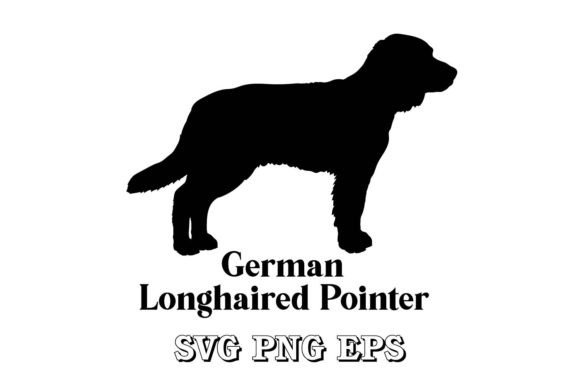
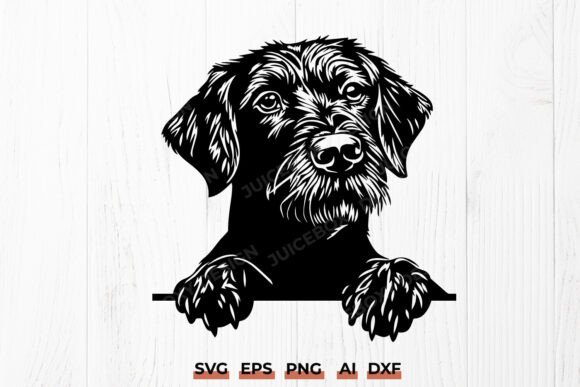
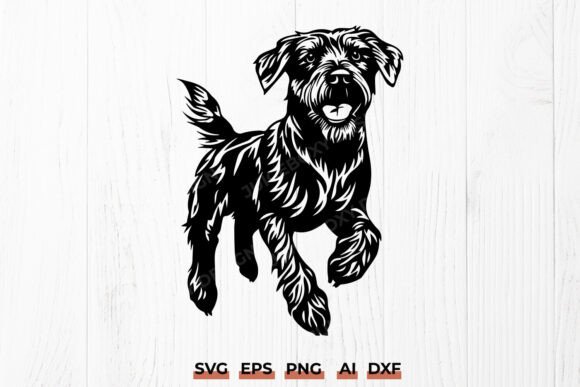
The Running German Wirehaired Pointer Dog reads as a dynamic, mid-stride pose. The dog is captured in motion, which gives it a sense of purpose and liveliness. The shape is well-defined without being overly complex. What I appreciate is that the design does not rely on excessive fine detail to convey the breed characteristics. The wirehaired texture is suggested through the overall contour rather than tiny stitch lines, which is a smart approach for machine embroidery. This design sits comfortably in the Crafts category, but it also works as a Graphics asset for digital mockups, printable previews, and social media product shots.
For someone who sells finished products, this kind of visual personality matters. Customers who order a custom embroidered sweatshirt or a baby gift with a dog motif want something that looks recognizable but not cluttered. The Running German Wirehaired Pointer Dog delivers that balance. It feels like a design that was built with real stitching in mind, not just screen rendering.
Real Case Scenario: Embroidered Tote Bag for a Dog Owner
I recently used this design for a custom order: a heavy-duty canvas tote bag for a client who owns two German Wirehaired Pointers. She wanted something that would hold up to daily use and still look sharp after repeated trips to the farmer's market. I chose the Running German Wirehaired Pointer Dog because the open areas in the design allowed the fabric to breathe, and the overall shape fit well on a 12-inch by 14-inch tote front.
Before stitching, I ran a test on scrap canvas to check how the stitch density worked with the thread colors I had selected. The design stitched out cleanly. The satin stitch elements held their shape, and the fill stitch areas did not pucker. My client was thrilled with the result. She said it looked like her dog mid-run, which is exactly the kind of reaction you want when you hand over a finished product. That kind of emotional connection is what keeps customers coming back and recommending your shop to others.
How the Design Performs in Real Embroidery Projects
Over the past few weeks, I have tested the Running German Wirehaired Pointer Dog on several different product types. Here is what I found:
- Custom apparel and sweatshirts: The design sits well on medium-weight cotton and cotton-blend fabrics. The stitch density is balanced enough that it does not distort the fabric, even on a slightly stretched sweatshirt front. I recommend using a cutaway stabilizer for best results.
- T-shirts and lightweight fabrics: This is where you need to be careful. The design has some dense stitch areas that can cause puckering on thin tees. I advise testing on a scrap piece first and using a tear-away stabilizer with a topping layer.
- Baby clothes and onesies: The size of the design matters here. If you scale it down for a baby bodysuit, check that the small details still read clearly. The Running German Wirehaired Pointer Dog works well at about 3 to 4 inches wide on a onesie.
- Caps and hats: Curved surfaces require a design that bends without losing shape. This design has a relatively compact layout, so it fits on a cap front without distortion. Use a stiff cutaway stabilizer and a floating method.
- Patches and applique: This is one of my favorite uses for this design. The Running German Wirehaired Pointer Dog can be turned into an embroidered patch with a satin stitch border. It sews out cleanly and makes a great addition to jackets, backpacks, or even as a standalone product for craft fairs.
- Pillow covers and tea towels: Home decor items are a natural fit. The design adds a personal touch to a pillow cover or a kitchen towel, and the stitch density holds up well to washing if you use quality thread and stabilizer.
- Blankets and nursery decor: For a baby blanket or a nursery wall hanging, the design works best in a larger hoop size. The running pose gives it a playful feel that fits a child's room without being too childish.
Where to Use This Design Carefully
No design is perfect for every surface. The Running German Wirehaired Pointer Dog has a few areas that require attention:
- Small hoop sizes: If you are working with a 4x4 hoop, you will need to scale the design down significantly. At that size, some of the finer details may become too small to stitch cleanly. I recommend testing at your intended size before committing to a final product.
- Textured or thick fabrics: Fleece, faux fur, and heavy knits can swallow the stitch detail. The wirehaired look of the breed relies on clean outlines, so a textured fabric may blur the edges. Use a stabilizer that provides enough support and consider increasing the stitch density slightly.
- Stretchy fabrics: Athletic wear and stretchy knits can cause the design to distort. A cutaway stabilizer is essential here, and you may need to adjust the tension settings on your machine.
- Dark fabrics: If you are stitching on black or dark navy, choose thread colors that pop. The design uses a mid-tone palette, but you can adjust the thread colors in your embroidery file to ensure contrast.
- Layered garments: If you are stitching on a pocket or a seam, the extra thickness can cause needle deflection. Test on a similar layered setup first.
Visual Appeal, Product Value, and Customer Trust
When a customer receives a handmade product with the Running German Wirehaired Pointer Dog, they are not just getting a piece of embroidery. They are getting a representation of their dog, their hobby, or their love for the breed. That emotional value translates directly into product value. If the design stitches out cleanly and looks professional, the customer trusts your work. They will come back for more personalized gifts, and they will tell their friends.
For Etsy sellers and small shop owners, this design works well as a listing option. You can offer it as a digital embroidery file, a finished product, or both. The design has enough visual appeal to stand on its own in a listing photo, and it looks good in printable mockups for product previews. I have used it in black and white mockups to show thread color options, and the shape reads clearly even without color.
Brand consistency is another factor. If you sell dog-themed products, this design fits seamlessly into a cohesive collection. It does not clash with other styles, and it feels like part of a set. That helps with buyer engagement because customers see a unified aesthetic and feel confident in their purchase.
Practical Embroidery Designer Notes
Before you use the Running German Wirehaired Pointer Dog in a commercial project or a one-off gift, here are some practical notes from my own testing:
- Test on scrap fabric first. This is the most important step. Every fabric behaves differently, and you want to catch any issues before you stitch on the final product.
- Check thread color contrast. The design works well with two or three thread colors. Make sure the main body color stands out against the background fabric. A light thread on a dark fabric or a dark thread on a light fabric gives the best result.
- Review stitch density. The design has a balanced density, but if you are scaling it up or down, the density will change. Larger sizes may need more density to fill properly, and smaller sizes may need less to avoid a stiff feel.
- Confirm hoop size. Measure the design before you hoop your fabric. Make sure it fits within your hoop with enough margin for stabilizer and fabric movement.
- Inspect small details. The wirehaired look is created through the overall shape rather than tiny stitches, but if you scale the design very small, check that the outline still reads as a dog in motion.
- Test in black and white mockups. This helps you see the shape and layout without the distraction of color. If the design looks good in grayscale, it will look good in thread.
- Compare light and dark fabric backgrounds. The design may need different thread colors depending on the fabric. Keep a few test samples on hand so you can show customers options.
- Use proper stabilizer. For most projects, a cutaway stabilizer is the safest choice. For lightweight fabrics, a tear-away with a topping layer may work, but test first.
- Check licensing before selling. Since the Running German Wirehaired Pointer Dog is a digital product, confirm whether the license allows commercial use of finished products and digital file resale. I always recommend reading the terms carefully before listing any finished item or digital file in your shop.
Final Thoughts on the Running German Wirehaired Pointer Dog
This design has earned a spot in my active project folder. It is versatile enough for custom apparel, handmade gifts, and small shop merchandise, and it delivers a clean stitch-out that customers notice and appreciate. Whether you are making a personalized tote bag, a holiday gift for a dog owner, or a boutique product for a craft fair, the Running German Wirehaired Pointer Dog holds up well under real embroidery conditions. The shape is recognizable, the mood is energetic, and the practicality is solid. I would recommend it to any embroidery designer, Etsy seller, or creative entrepreneur who wants a reliable dog design that works across multiple project types without constant rework.