Hotdog Vector Drawing Design
The Hotdog Vector Drawing Design is a playful and recognizable illustration that captures the essence of a classic fast food icon. Its clean lines, simple shapes, and clear visual identity make it an ideal candidate for a variety of embroidery projects. From casual apparel to handmade gifts, this design has a lot to offer—provided it's used with care and consideration.
First Impressions: A Design That Speaks for Itself
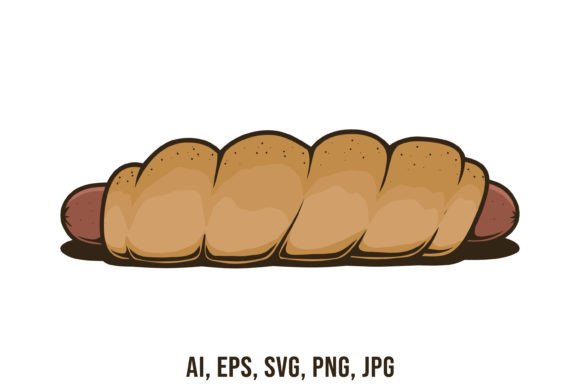
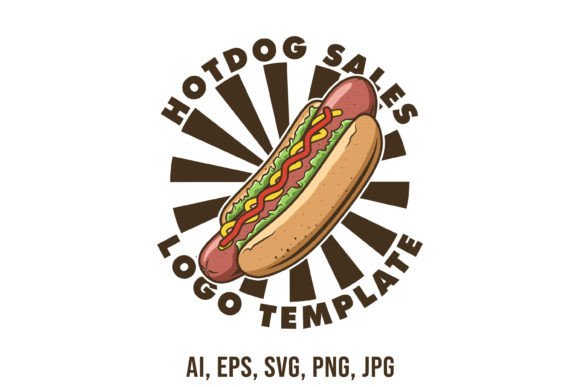
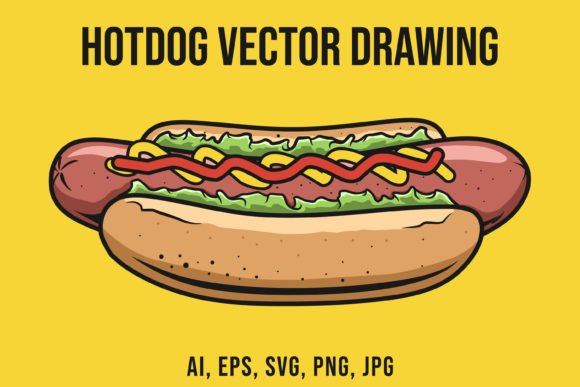
As soon as I laid eyes on the Hotdog Vector Drawing Design, I was struck by its simplicity and charm. The design is cleanly isolated, making it easy to integrate into different backgrounds or fabric types. The use of bold outlines and minimal details gives it a modern, illustrative feel that’s both nostalgic and fresh. It’s the kind of design that immediately tells a story without needing much explanation.
The layout is well-balanced, with the hot dog centered and surrounded by its essential elements—a bun, mustard, and a slice of meat. This makes it perfect for projects where clarity and visual impact are key. Whether it's on a tote bag or a baby onesie, the design holds up well and remains recognizable at various scales.
Real-Life Embroidery Scenarios: Where It Shines
I’ve tested the Hotdog Vector Drawing Design on several materials and found it works best on flat, smooth surfaces like cotton t-shirts, tote bags, and sweatshirts. Its simplicity allows for clear stitching, especially when using satin stitch for outlines and fill stitch for the bun and hot dog itself. The design doesn’t require too many colors, which is a plus for small business owners and Etsy sellers looking to keep costs low.
For custom apparel, this design can be a hit. Imagine a personalized sweatshirt with a hot dog embroidered in bright colors—perfect for a food-themed event or a quirky gift. It also translates well to baby items, such as onesies or blankets, where the soft, friendly shape adds a touch of fun without being overwhelming.
When used as an embroidered patch, the Hotdog Vector Drawing Design stands out. Its compact size and clear definition make it ideal for attaching to jackets, backpacks, or caps. It’s also great for holiday or seasonal projects, like embroidered tea towels or kitchen towels, where a touch of humor and personality is appreciated.
Where to Be Careful: Limitations and Considerations
While the Hotdog Vector Drawing Design is versatile, there are some limitations to be aware of. On smaller hoop sizes, the design may lose some of its detail, especially around the edges of the bun and the hot dog. If you're working with a tight hoop, consider simplifying the design or adjusting the scale accordingly.
Textured fabrics, thin materials, or stretchy garments can also affect how the design looks after stitching. The design’s outlines might not hold up as well on these surfaces, so testing on scrap fabric first is always a good idea. Dark fabrics may also require a different approach, such as using white thread for highlights or adding a background layer if needed.
For products that see frequent washing, like baby clothes or aprons, the durability of the embroidery matters. Make sure to use the right stabilizer and test the design’s longevity before committing to a large batch.
Design Impact: Visual Appeal and Professionalism
The Hotdog Vector Drawing Design adds a unique flair to any project. Its clear, bold style ensures that it stands out without being too busy. This is especially important for handmade products and personalized gifts, where visual appeal can make or break a sale.
From a commercial standpoint, this design can elevate a craft business or Etsy shop. It’s perfect for small shop products that need a quick, eye-catching design. As a digital product seller, it could also be part of a collection of food-themed embroidery files, appealing to a niche audience.
For creative entrepreneurs, the design offers flexibility. It can be used in printable mockups, digital product previews, or as part of a larger branding strategy. Its simplicity makes it easy to adapt across different platforms and formats.
Embroidery Designer Notes: Practical Tips for Success
Before finalizing any project with the Hotdog Vector Drawing Design, I recommend testing it on scrap fabric. This helps you understand how the design will look once stitched and whether any adjustments are needed.
Check thread color contrast carefully. If you’re using dark fabric, ensure that the thread colors stand out enough. For light fabrics, consider using white or pastel threads for highlights.
Review the stitch density. Too dense, and the design might look stiff; too sparse, and it might lose its definition. Adjust as needed based on the fabric type and project requirements.
Confirm the hoop size. If your machine has limitations, consider scaling the design down or splitting it into sections for easier hooping.
Inspect small details, especially around the mustard and bread. These areas can be tricky, so make sure they’re clear and well-defined in the embroidery file.
Test the design in black and white mockups to see how it looks without color. This can help you identify any issues with contrast or clarity.
Compare the design on both light and dark fabric backgrounds. This ensures that it looks good in all scenarios and meets your expectations.
Use the proper stabilizer for the fabric you're working with. This helps prevent puckering and ensures a clean finish.
Finally, confirm whether the design is suitable for both personal and commercial use. Check the licensing terms before selling finished items or digital products.
Final Thoughts: A Fun and Functional Design
The Hotdog Vector Drawing Design is a fun, functional, and versatile option for embroidery projects. It brings a sense of playfulness and nostalgia that can resonate with a wide range of customers. Whether you're an Etsy seller, a craft business owner, or a hobbyist, this design has the potential to add value and appeal to your work.
With careful consideration and proper execution, the Hotdog Vector Drawing Design can become a standout piece in your portfolio. It’s a reminder that even the simplest designs can have a big impact when done right.