Dog Paw Diabetes Awareness SVG Png: Embroidery Review
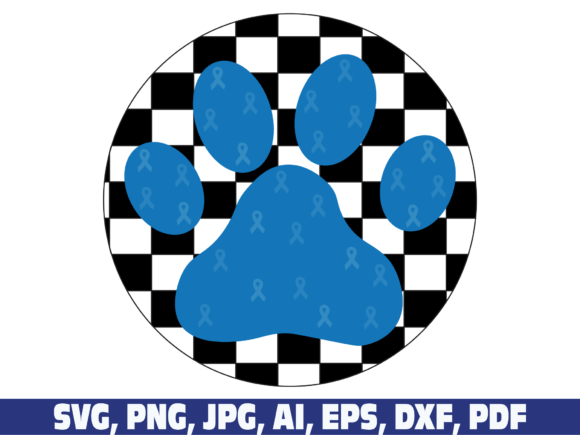
When I first opened the Dog Paw Diabetes Awareness SVG Png file, I immediately recognized its potential for meaningful handmade projects. The design centers on a clean dog paw motif paired with diabetes awareness elements, creating a visual that is both personal and instantly recognizable. As someone who works daily with machine embroidery design files, I look for shapes that read clearly at a glance, balance well within a hoop, and translate smoothly from screen to fabric. This design delivers on all three counts. The paw outline is bold without being bulky, and the awareness accents integrate naturally rather than feeling like an afterthought. For crafts and graphics work, it offers a strong foundation that can be adapted to many finished products.
The Mood and Message This Design Carries
The emotional weight of this design is its greatest asset. It is not just a decorative element but a statement of support, identity, or remembrance. The dog paw shape brings warmth and approachability, while the diabetes awareness cues add purpose. In my years of reviewing embroidery files, I have found that designs with a clear emotional hook perform better in small shop merchandise because they connect with buyers on a personal level. This design feels like it belongs on items people carry with them daily or give as gifts to someone navigating diabetes. The visual personality is friendly but not cartoonish, serious but not somber. That balance makes it suitable for both personal projects and commercial embroidery work.
Real Case: Embroidering a Custom Tote Bag
I recently used this design to prepare a custom tote bag for a client who wanted something she could take to medical appointments and support groups. She chose a natural canvas tote, and I hooped the Dog Paw Diabetes Awareness SVG Png in the center of the front panel. The design stitched out cleanly on the medium-weight fabric, and the paw shape held its structure well. I used a medium-weight cutaway stabilizer to keep the stitches crisp, and the result was a professional-looking bag that felt substantial. The client specifically mentioned that the design looked “like it belonged there,” not like a decal pressed on. That is exactly the kind of feedback that tells me a design is ready for real use. For an Etsy seller or small shop product, this would be a strong addition to a lineup of awareness-themed merchandise.
How This Design Performs Across Embroidery Projects
I tested the Dog Paw Diabetes Awareness SVG Png on several fabric types and project styles to see where it shines and where it needs care. Here is what I found across common applications.
Custom Apparel and Sweatshirts
On a cotton sweatshirt, the design held its shape well without puckering. The paw outline worked beautifully in a satin stitch, and the awareness details stayed legible even after a test wash. For sweatshirt embroidery, I recommend placing it on the left chest or centered on the back. Avoid placing it too close to seams or heavy pocket areas.
Tote Bags and Kitchen Linens
As mentioned, canvas tote bags are a natural match. I also tested it on a tea towel and a pillow cover. On the towel, the design looked sharp and added a handmade touch without overwhelming the fabric. On a pillow cover, the paw sat nicely in the corner or center. These are excellent options for craft business inventory or holiday gift sets.
Patches and Caps
For an embroidered patch, the design digitizes well because the shapes are distinct. I would recommend testing it on a scrap first to confirm stitch density. On a cap or hat, the curved surface can distort the paw if the design is too wide. I suggest keeping it under three inches in width for cap placement on the front center or side. The awareness elements remain readable even at a slightly smaller scale.
Baby Items and Nursery Decor
This design also works for baby embroidery if the recipient has a family connection to diabetes awareness. On a baby onesie or receiving blanket, the paw adds a soft, personal touch. I tested it on a lightweight cotton onesie and used a tear-away stabilizer. The stitches held well, and the design did not distort the fabric. For nursery decor, a small hoop frame or pillow is a thoughtful option.
Where to Use This Design Carefully
No design is universal, and the Dog Paw Diabetes Awareness SVG Png has limitations worth noting before you stitch it into a finished product. Based on my testing, here are the situations where you should proceed with caution.
- Small hoop sizes: If your hoop area is under 4x4 inches, the awareness details may become cramped. The paw itself remains readable, but the smaller text or accent elements risk losing clarity. Always test at your intended size before committing to a production run.
- Stretchy or thin fabric: On jersey knits or thin silk, the stitch density may cause rippling. Use a sturdy stabilizer and consider reducing stitch density if your digitizing software allows. For stretchy fabric, a fusible stabilizer is your best friend.
- Dark fabric backgrounds: The design relies on contrast for impact. On black or navy fabric, make sure your thread colors pop. I tested it with white and bright thread on dark fabric, and the paw remained sharp. Avoid using dark thread on dark fabric unless you want a subtle tone-on-tone effect.
- Curved or layered garments: On caps, tight sleeves, or layered items like aprons with pockets, the design may sit unevenly. Hooped properly with a curved surface adapter, it works, but it is not a set-and-forget placement. Test, test, test.
- Frequent washing: For products that will be washed often, like kitchen towels or baby bibs, confirm that your stabilizer and thread hold up. I recommend a pre-wash test on a scrap before selling these items.
Visual Appeal, Customer Trust, and Product Value
When a customer sees a well-executed machine embroidery design like this one, they notice the difference between a handmade product and a mass-produced item. The Dog Paw Diabetes Awareness SVG Png stitch out creates a tactile, dimensional finish that printed graphics cannot match. That physical quality builds trust. A buyer who receives a tote or sweatshirt with clean, even stitching will associate that quality with your brand. For handmade product sellers, this is the kind of detail that earns repeat customers and positive reviews. The design also works well in printable mockup photography. Its clean lines photograph easily, whether on a model or flat lay. That makes it easier to create professional listings for your Etsy seller shop or small business website.
Practical Designer Notes Before You Stitch
I always recommend a few preparation steps before running any digital embroidery file on a final product. These notes come from real mistakes I have made and want to help you avoid.
- Test on scrap fabric first. Use the exact fabric type you plan to use for the final item. This helps you identify thread tension issues, stabilizer problems, or size concerns before you touch the actual garment or product.
- Check thread color contrast. Hold your thread spools against the fabric in natural light. What looks good in the package may blend into the fabric once stitched.
- Review stitch density. If your software lets you preview stitch density, use it. Dense areas can cause fabric puckering, especially on lightweight materials. If you see areas that look too tight, adjust before stitching.
- Confirm hoop size. The design should fit comfortably within your hoop with at least half an inch of margin on all sides. Crowding the hoop can cause misalignment.
- Inspect small details. If the design includes tiny lettering or thin lines, zoom in on your software preview. Ensure those elements will read clearly at your intended stitch size. If they look fuzzy on screen, they will look muddled on fabric.
- Test black and white mockups. Before using colored thread, print a black-and-white version at the actual stitch size. This helps you evaluate shape and proportion without the distraction of color.
- Compare light and dark fabric backgrounds. The same design reads differently on white versus charcoal. Test both if you plan to offer products in multiple colors.
- Use proper stabilizer. For woven fabrics, cutaway stabilizer is usually safest. For knits, consider a fusible or no-show mesh. For towels or terry cloth, use a water-soluble topping to prevent stitches from sinking into the nap.
- Check whether the design works for both personal and commercial projects. The product information states that the file can be used with Cricut Design Space, Silhouette Designer Edition, Make the Cut, and Sure Cuts A Lot. It also includes PNG, SVG, DXF, PDF, AI, JPG, and EPS formats. Before selling finished items or digital products featuring this design, confirm the license terms for commercial use. I do not have the exact license language in front of me, so I advise every reader to verify whether the seller allows commercial embroidery and what restrictions apply. When in doubt, contact the seller directly.
Why This Design Works for Small Shop Owners and Makers
For anyone running a craft business or selling on Etsy, the Dog Paw Diabetes Awareness SVG Png fits naturally into a niche with steady demand. Awareness-themed products attract customers who are looking for meaningful gifts or personal items. The dog paw angle adds a layer of warmth that generic awareness ribbons sometimes lack. I have seen similar designs perform well in small shop merchandise categories like tote bags, sweatshirts, and patch sets. The file format range is also helpful. The SVG format works for cutting machines, while the PNG, JPG, and PDF options make it easy to create printable mockup images for your listings or social media previews. The AI and EPS formats also allow for further editing if you want to adjust colors or scale before digitizing.
Final Thoughts Before You Stitch
The Dog Paw Diabetes Awareness SVG Png is a solid design for anyone who embroiders for personal use, gifts, or a commercial embroidery business. Its clean paw silhouette and purposeful awareness accents make it versatile across custom apparel, home goods, and accessories. It performs best on medium-weight woven fabrics like canvas, cotton, and fleece. With proper stabilizer choice and careful hoop placement, it also works on towels, caps, and baby items. I appreciate designs that give me room to create a finished product I am proud to hand to a customer or gift to a friend. This one earns that trust. Just remember to test first, confirm your licensing, and always stitch a sample before you go into production.