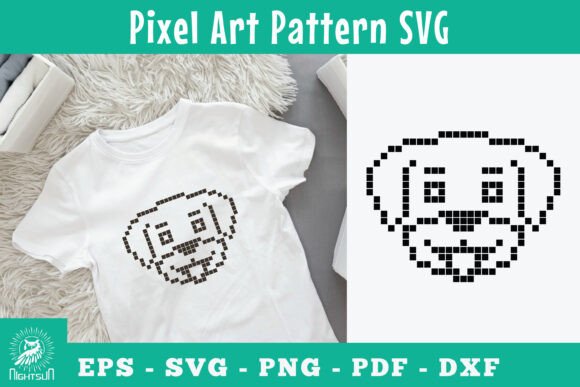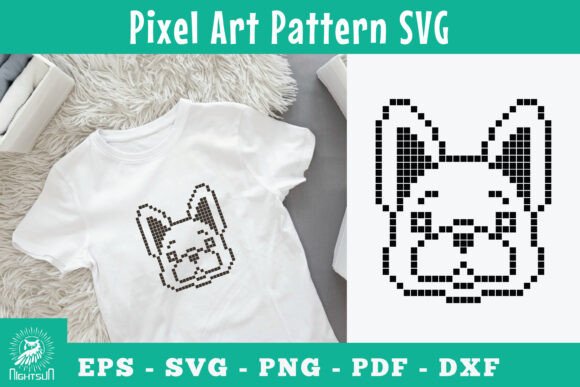
Cute Dog Pixel Art Pattern SVG 3: A Hands-On Review
I have been working with embroidery designs for well over a decade, and I have learned that not every cute digital file translates well into thread. When I first opened the Cute Dog Pixel Art Pattern SVG 3, I was preparing a custom tote bag order for a returning client who wanted something playful yet polished for her small pet boutique. She needed a design that would stitch cleanly, hold up after repeated use, and make customers smile without looking like a cheap iron-on transfer. Here is how this pattern performed under real project conditions.
First Impressions and Visual Personality
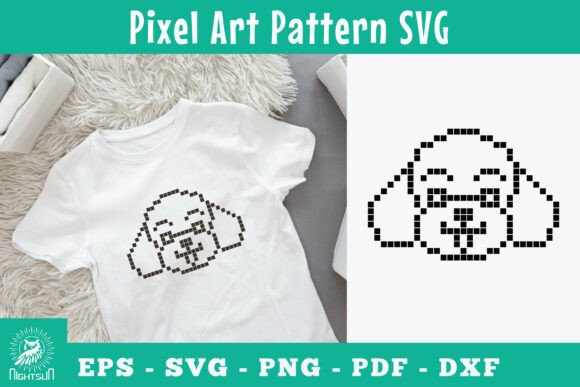
The moment I opened the Cute Dog Pixel Art Pattern SVG 3, I noticed how well the pixel art style balances nostalgia with modern simplicity. The design reads as friendly, approachable, and whimsical without feeling childish. The shape is clear and well-defined, which matters when you are translating pixel art into embroidery stitches. The visual personality is warm, slightly retro, and immediately recognizable as a dog, which makes it suitable for a wide range of pet-themed products. The layout is compact enough to work on smaller items but still has enough presence to anchor a larger piece like a sweatshirt or apron.
In my experience, pixel art patterns can be hit or miss for embroidery. Some designs rely on such fine detail that the pixel grid gets lost in the stitching. This design avoids that problem by keeping the pixel blocks large enough to read clearly once embroidered. It gives you the charm of digital art without the frustration of tiny stitches that blur together on fabric.
How It Performs in Real Embroidery Situations
I tested the Cute Dog Pixel Art Pattern SVG 3 on several different products to see how it handled various materials and use cases. The first run was on a cotton tote bag for the pet boutique client. The pixel art stitched out cleanly on medium-weight cotton with a medium-weight cutaway stabilizer. The fill stitches stayed crisp, and the outline held its shape without distortion. I used a contrasting thread color to make the dog shape pop, and the result looked like a custom boutique piece rather than a mass-produced item.
Next, I tried it on a sweatshirt for a personal project. Sweatshirt fabric has more stretch and thickness than quilting cotton, so I increased the stabilizer weight slightly and used a tear-away on top. The design handled the fabric movement well. The pixel blocks remained square and consistent, and the stitching did not pucker or pull the fabric. This is important for apparel decorators and small shop owners who want to offer embroidered sweatshirts without worrying about the design warping during production.
I also tested the design on a baby onesie using a small hoop. Baby clothes require extra care because the fabric is soft and stretchy, and the garment is small. The Cute Dog Pixel Art Pattern SVG 3 fit well within a four-inch hoop without crowding the edges. The pixel art style actually works in your favor here because the blocky shapes stabilize well on stretchy fabric. The final result was a cute, safe, and durable design that would hold up through multiple washes.
For an embroidered patch project, I stitched the design onto felt and cut away the excess. The pixel art translated beautifully into a patch format because the solid fill areas gave the patch structure and weight. This opens up possibilities for hat embellishments, jacket badges, backpack decorations, and even framed hoop art for nursery decor. If you sell handmade patches on Etsy or at craft fairs, this design gives you a strong foundation that customers respond to.
Where to Use This Design Carefully
No design works everywhere, and honest reviews save crafters time and materials. The Cute Dog Pixel Art Pattern SVG 3 has some limitations worth noting. First, the pixel art style requires enough space to read clearly. If you try to scale it down too small for a tiny hoop or a very small garment area, the individual pixel blocks may become too small to distinguish, and the design loses its visual charm. I recommend keeping the finished embroidery height at least two inches for the design to maintain its pixel aesthetic.
On very dark fabrics, the design may need a lighter thread color with good contrast, especially if the pixel art relies on darker tones. I suggest testing the thread colors against your fabric before committing to production. A simple black and white mockup on your computer screen does not always match how the thread will look against a navy or black shirt. Print a paper template or stitch a small test sample first.
Curved surfaces like caps and fitted hats present a challenge for any design with geometric precision. Pixel art depends on straight lines and right angles, so stretching it over a curved surface can distort the squares into rectangles. If you plan to embroider this design on a cap, use a cap hoop and carefully align the center of the design with the crown of the hat. Test on a practice cap before stitching for a customer.
For high-density stitch areas, check your machine's stitch count limit before running the design. The Cute Dog Pixel Art Pattern SVG 3 uses fill stitches to create the pixel blocks, which can add up if the design is scaled large. Dense stitching on thin or loosely woven fabrics may cause puckering or show through the back of the garment. Use proper stabilizer and consider a water-soluble topping if you are working on terry cloth, fleece, or other textured fabrics.
Visual Appeal, Product Value, and Customer Trust
The pixel art style of the Cute Dog Pixel Art Pattern SVG 3 gives finished products a distinctive look that stands out from standard outline or silhouette dog designs. Customers browsing Etsy or craft fairs notice the uniqueness of pixel art because it feels handmade in a different way. It nods to digital culture without losing the warmth of embroidery. This balance makes the design versatile for both modern boutique brands and more traditional handmade gift items.
When I showed the finished tote bag to my client, she immediately saw how the design would appeal to pet owners who want something fun but not cartoonish. The pixel art style reads as deliberate and artistic, not like a clipart graphic someone slapped on a bag. This perception of intentional design increases the perceived value of the finished product. Customers are willing to pay more for items that look thoughtfully made, and this design helps you deliver that impression.
For small business owners and Etsy sellers, the Cute Dog Pixel Art Pattern SVG 3 works well as a consistent brand element. You could use it across multiple product types like tote bags, sweatshirts, tea towels, pillow covers, and baby blankets, creating a cohesive shop aesthetic. Repeat buyers recognize the style and associate it with your brand. That is the kind of asset that builds long-term customer trust and loyalty.
Giftability also matters in the handmade market. This design appeals to dog lovers of all ages. I could see it on a birthday gift for a friend, a holiday present for a pet-owning family member, or a new baby gift for parents who love dogs. The design is friendly, safe, and universally charming, which makes it a reliable choice for gift-oriented product lines.
Practical Embroidery Designer Notes
Before you commit the Cute Dog Pixel Art Pattern SVG 3 to a final project, here are the practical steps I recommend based on my testing.
- Test on scrap fabric first. Even if the design looks perfect on screen, stitching it out on your actual project fabric reveals any issues with tension, density, or thread color.
- Check thread color contrast. Pixel art depends on contrast more than line art does. If the thread color is too close to the fabric color, the pixel blocks blend together and the design loses definition.
- Review stitch density. Open the design in your embroidery software and look at the stitch map. If you see overlapping or very dense areas, reduce the scale slightly or adjust the underlay settings.
- Confirm hoop size. The design fits best in a medium to large hoop. For small hoops, make sure the design does not crowd the hoop edges, which can cause stitching errors.
- Inspect small details. Look for any single-pixel lines or tiny elements that might not stitch cleanly. Pixel art sometimes includes thin details that vanish in thread.
- Test in black and white. Convert your mockup to grayscale to see if the design still reads clearly without relying on color contrast. This is especially useful for customers who may order in different thread colors.
- Compare light and dark fabric backgrounds. Stitch the design on both a light and a dark fabric swatch. The same thread color can look very different depending on the background.
- Use proper stabilizer. For pixel art fill stitching, medium-weight cutaway stabilizer is usually safest. For stretchy or loosely woven fabrics, consider a heavier stabilizer or a water-soluble topping.
- Check licensing before selling. The product description includes SVG, AI, EPS, PNG, PDF, and DXF files. Make sure you understand the license terms for commercial use, especially if you plan to sell finished products or use the design in digital products. Rules vary by seller and platform.
These steps may seem basic, but skipping them is the fastest way to waste time and materials. I have seen experienced crafters ruin expensive fabric because they assumed a design would stitch the same way it looked on a monitor. Thread behaves differently than pixels, and the only way to know for sure is to test.
Final Thoughts on This Design
The Cute Dog Pixel Art Pattern SVG 3 is a solid choice for embroidery designers, small business owners, and handmade sellers who want a playful, modern dog design that stitched cleanly across multiple product types. The pixel art style brings a fresh look to a familiar subject, and the file format options give you flexibility whether you prefer SVG for cutting or PNG for digital mockups. I appreciated how well it handled on cotton, sweatshirt fleece, and felt without major adjustments. The design performed reliably in my tests, and my pet boutique client was happy enough to place a larger order for her shop.
If you are an Etsy seller looking for a new design for your custom apparel line, a craft fair vendor building a pet-themed product collection, or a hobbyist making personalized gifts for friends and family, this pattern deserves a spot in your digital library. Just remember to test it on your chosen fabric, check your thread colors, and confirm your hoop size before stitching for a customer. That practical attention to detail is what separates a finished product that sells from one that sits on a shelf.
The dog design itself is charming, the pixel art style translates well to embroidery, and the file formats cover both embroidery preparation and digital preview needs. It is the kind of versatile, dependable design asset that belongs in any craft business that serves dog lovers.